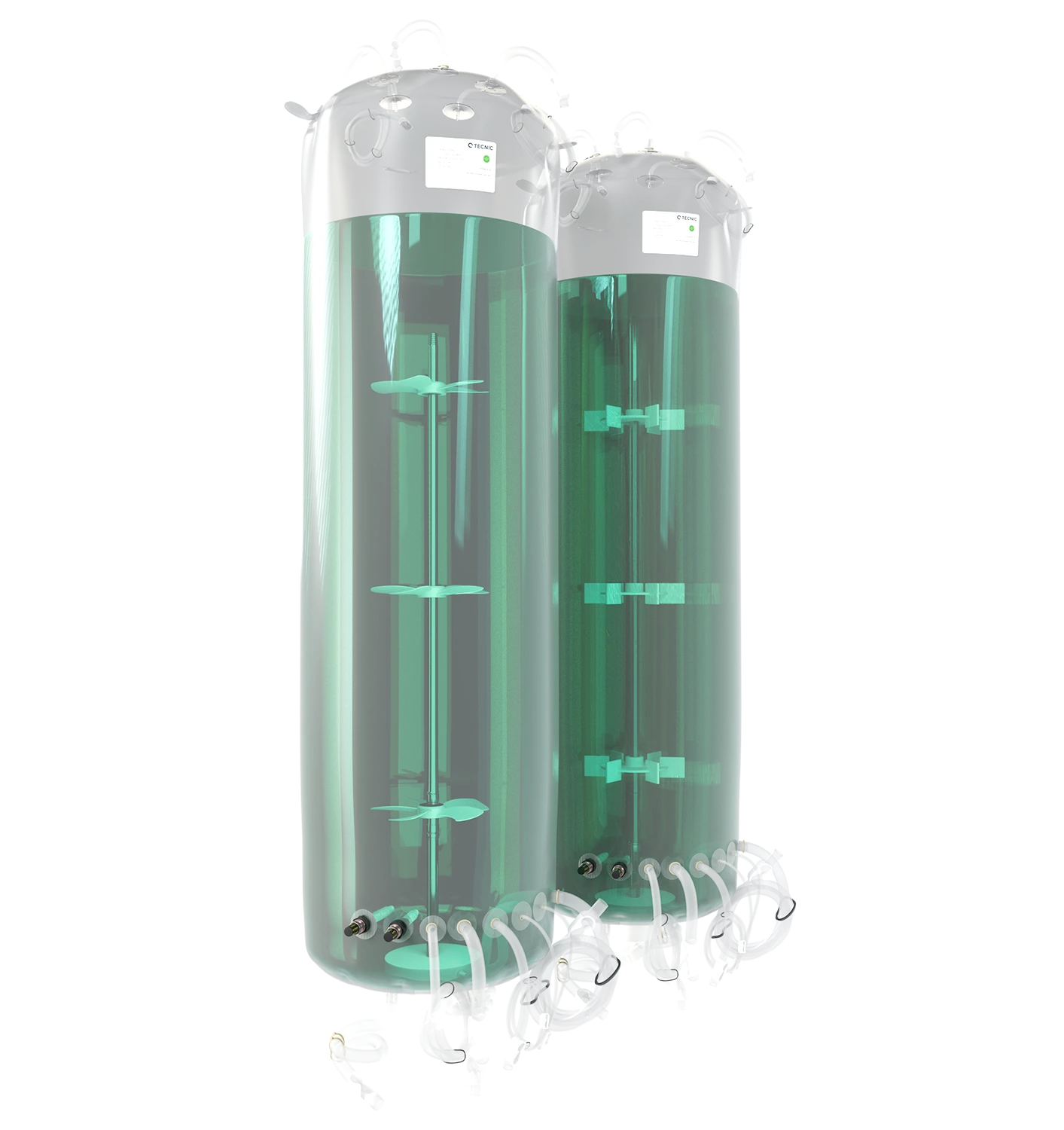

Impeller selection has a direct effect on mixing, oxygen transfer, gas dispersion and shear environment inside a stirred bioreactor. That means the impeller is not a minor mechanical detail, it is one of the central process decisions in upstream development.
Choosing between a Rushton turbine, a pitched-blade impeller or a hydrofoil depends on the biology, the oxygen demand and the type of scale-up strategy required. The right answer is not universal, it depends on what the culture needs and what the process is trying to protect.
The best impeller is the one that gives the process the right balance of oxygen transfer, mixing and shear, not simply the highest agitation intensity.
Why impeller selection matters in a bioreactor
The impeller defines much of the internal hydrodynamic behavior of a stirred-tank reactor. It influences circulation pattern, gas dispersion, mixing time, solids suspension and local energy dissipation.
That is why impeller geometry strongly affects both oxygen transfer and cell stress. A design that works well for a robust microbial fermentation may be too aggressive for a shear-sensitive mammalian culture.
In stirred bioreactors, the impeller is one of the main tools for balancing oxygen demand, mixing quality and shear protection.
Rushton turbine
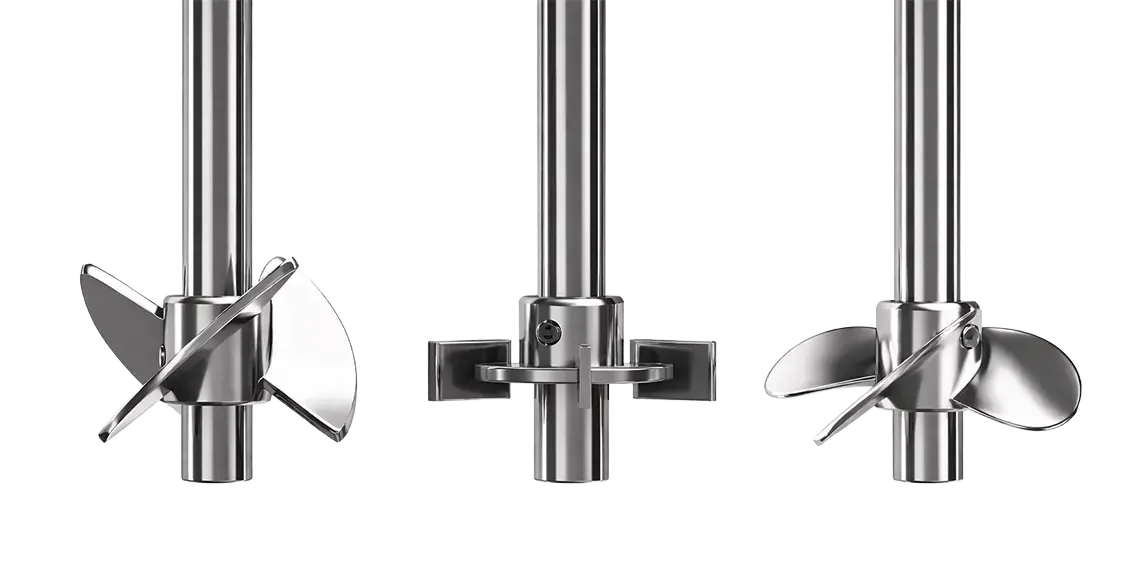
The Rushton turbine is a radial-flow impeller with flat blades mounted on a disk. It is well known for strong gas dispersion and high local energy dissipation, which makes it a classical choice for microbial processes with high oxygen demand.
Predominantly radial, pushing fluid outward toward the vessel wall.
Very strong, especially when aeration demand is high.
High, which is acceptable for many microbial cultures but problematic for delicate cells.
Rushton turbines are especially suited to aerobic microbial fermentations such as E. coli or yeast processes where oxygen transfer is a major priority.
Pitched-blade impeller
The pitched-blade impeller generates a mixed axial-radial flow pattern. Its angled blades help create good circulation with lower shear than a Rushton turbine, making it a versatile option in many cell-culture and mixed-use processes.
Mixed axial-radial, supporting broader liquid circulation and homogenization.
Good, although usually lower than Rushton at the same power input.
Moderate, which often makes it suitable for mammalian or insect cell culture.
Pitched-blade impellers are commonly used where the process needs a balance between oxygen transfer and gentler hydrodynamics.
Hydrofoil impeller
The hydrofoil impeller is designed to move large volumes of liquid efficiently with relatively low power input. Its curved blades create mainly axial flow and help reduce local turbulence, which is why it is widely associated with low-shear cell-culture applications.
Predominantly axial, promoting vertical circulation through the vessel.
High, especially when the goal is circulation with limited stress.
Low, which is especially useful for delicate mammalian or other shear-sensitive cultures.
Hydrofoil impellers are often selected for mammalian cell culture, single-use bioreactors and other processes where cell viability is highly sensitive to turbulence.
Impeller comparison table
The table below gives a practical view of how Rushton, pitched-blade and hydrofoil designs differ in real process terms.
| Characteristic | Rushton | Pitched-blade | Hydrofoil |
|---|---|---|---|
| Flow pattern | Predominantly radial | Mixed axial-radial | Predominantly axial |
| Oxygen transfer | Very high | Good | Good relative to energy input |
| Shear intensity | High | Moderate | Low |
| Energy efficiency | Lower | Intermediate | Higher |
| Best fit | Microbial fermentations | Versatile mixed use, many cell cultures | Low-shear cell culture |
How to select an impeller by process type and scale
A good selection usually starts with the biology. Microbial fermentations often prioritize oxygen transfer and can tolerate higher shear, while mammalian cell cultures typically prioritize viability and gentle hydrodynamics.
Impeller selection should never be made by geometry alone. It should be made by matching hydrodynamics to the real biological and scale-up needs of the process.
How TECNIC fits this workflow
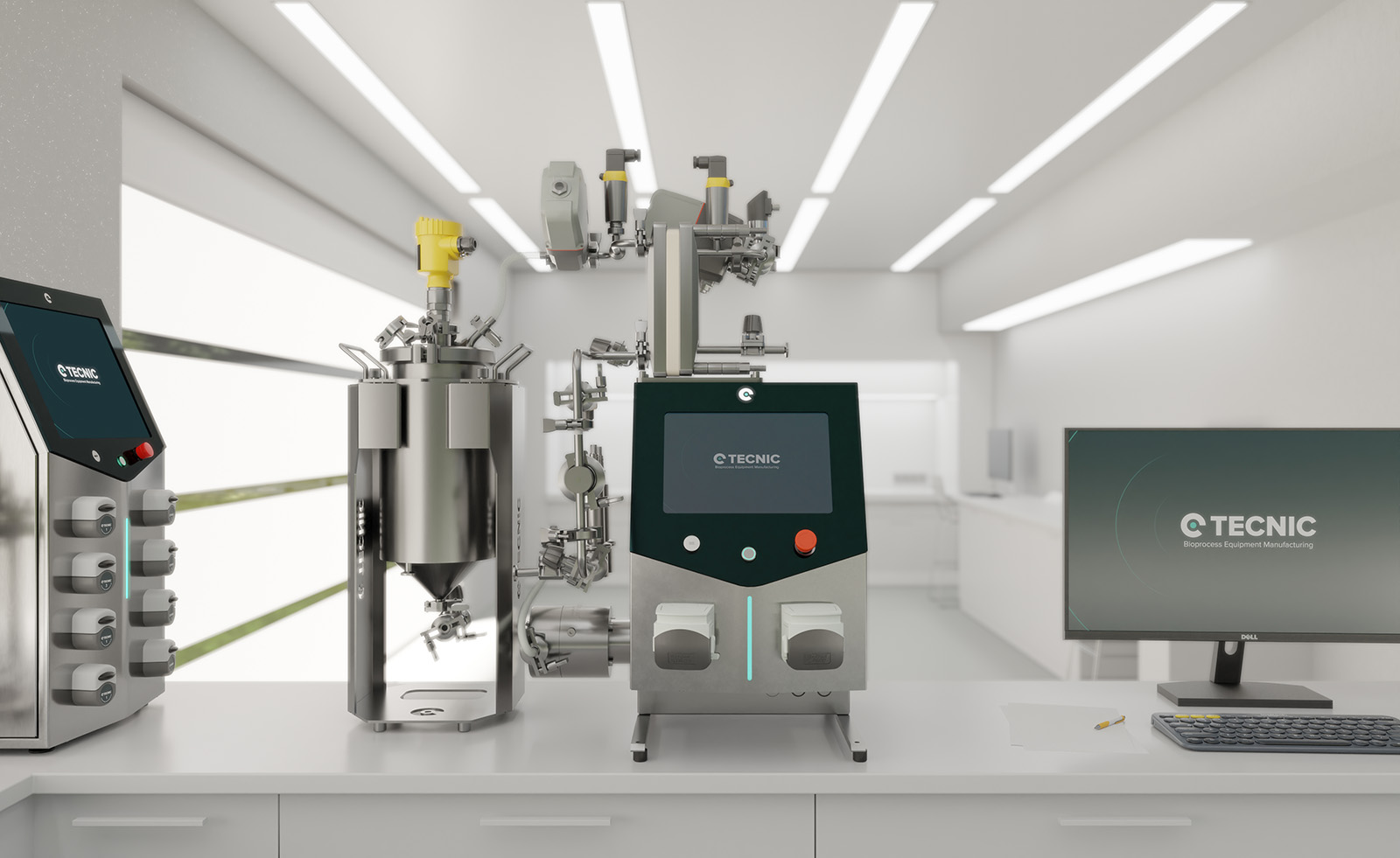
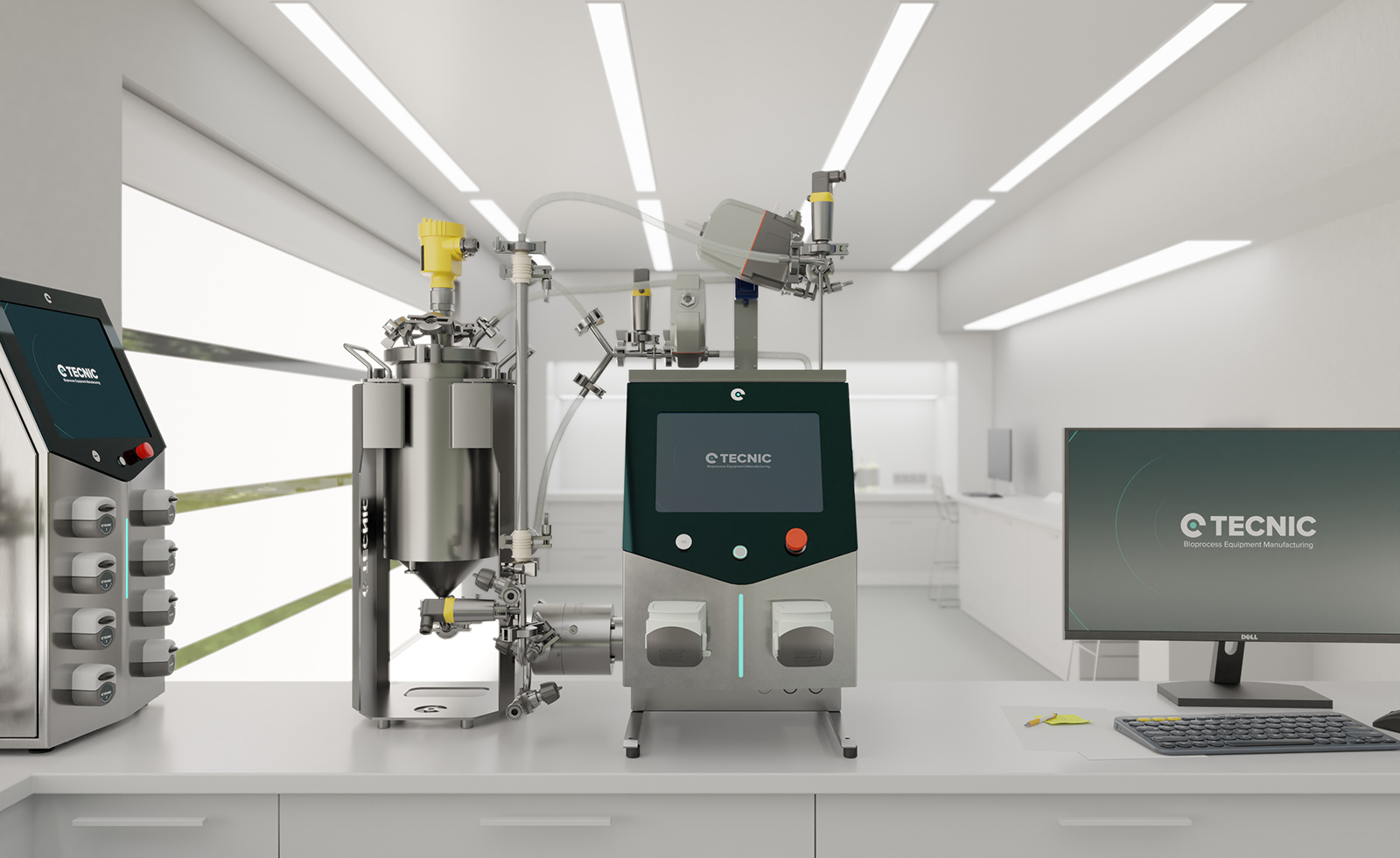
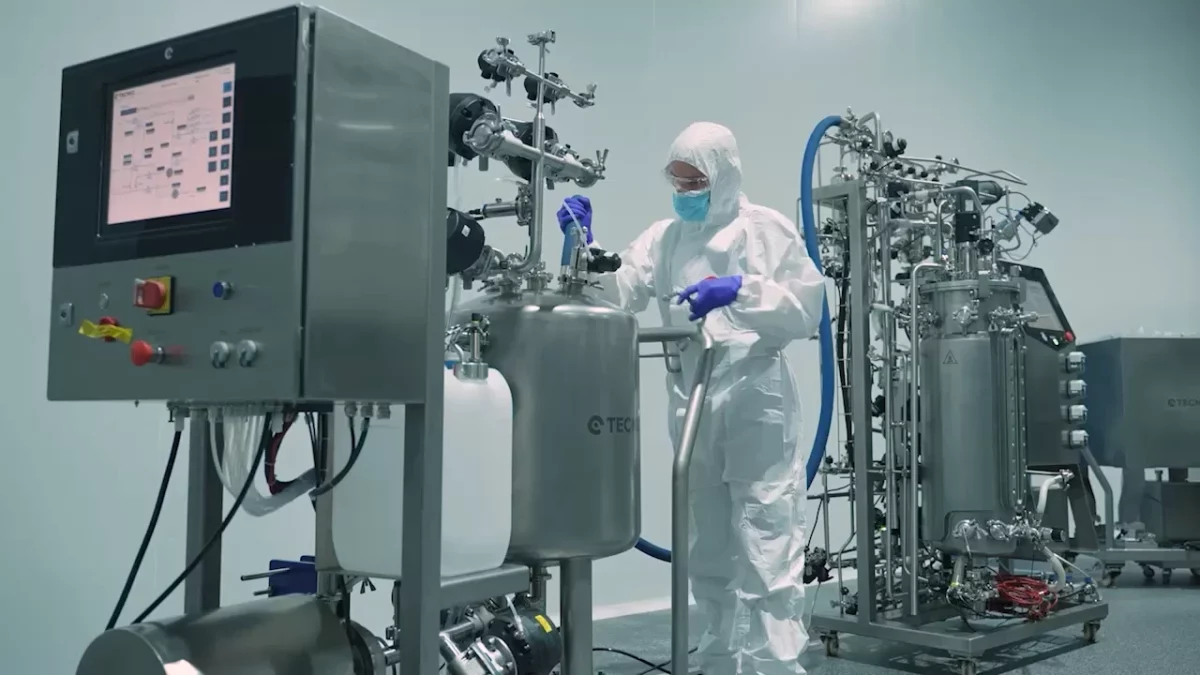
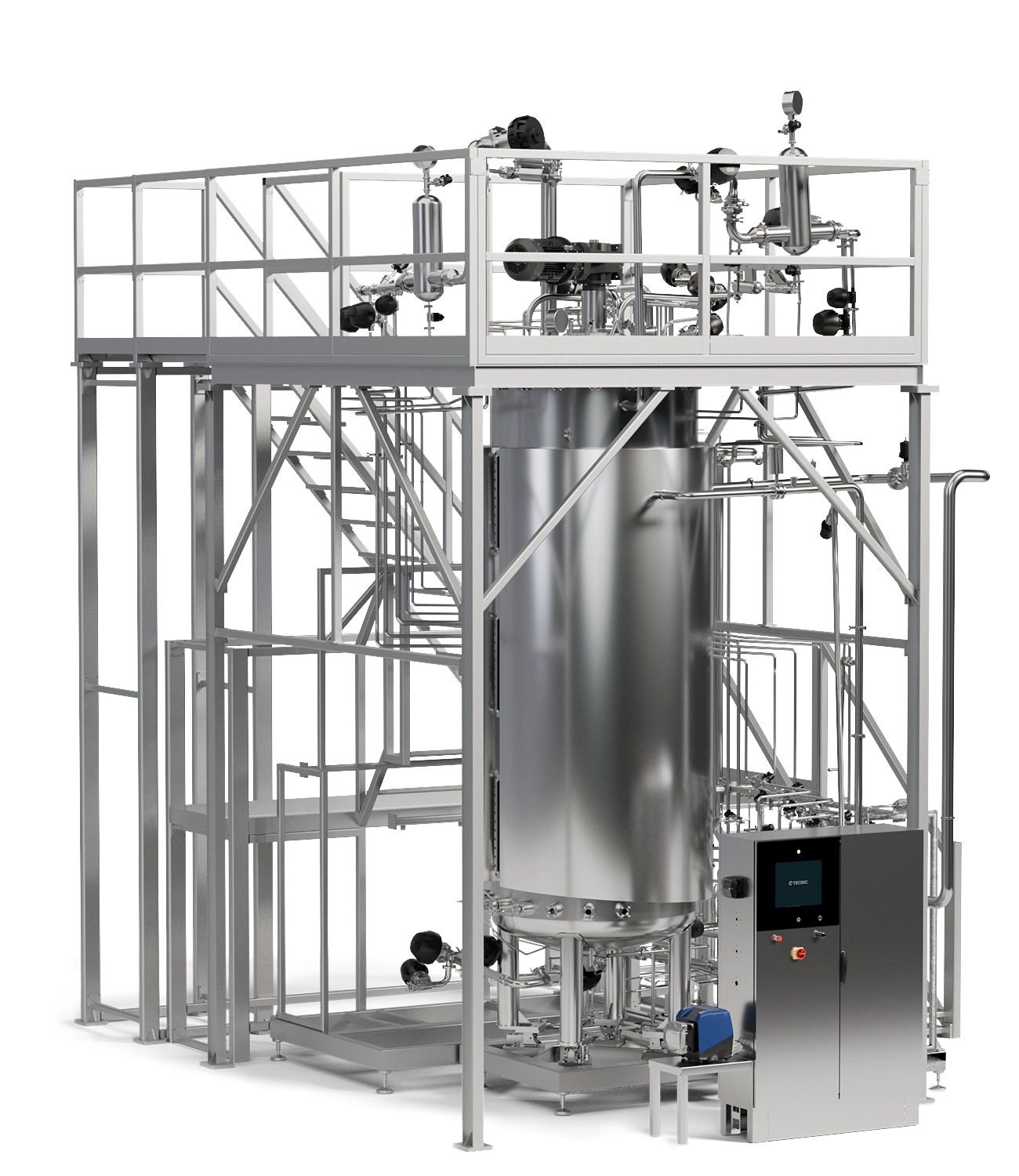
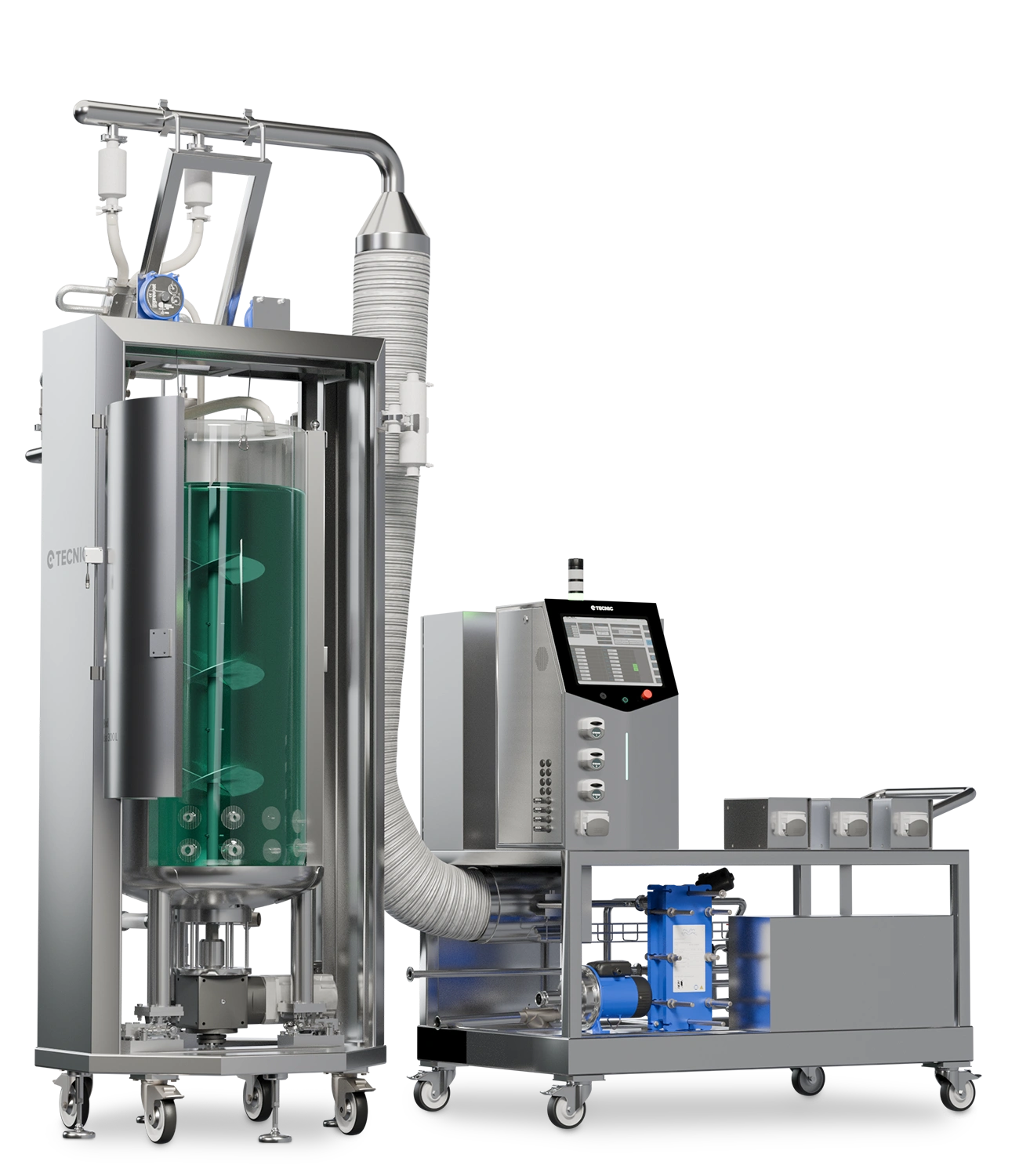
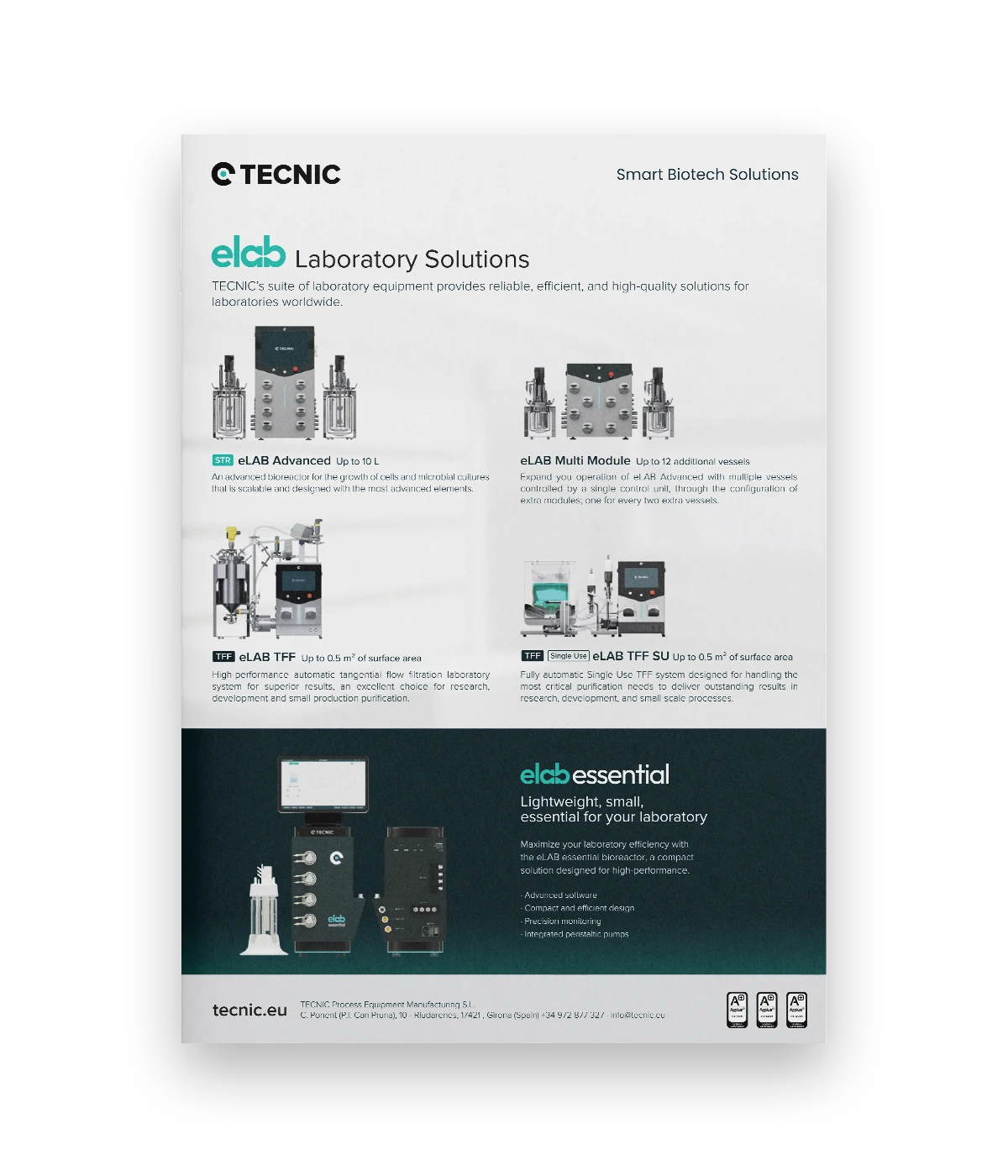
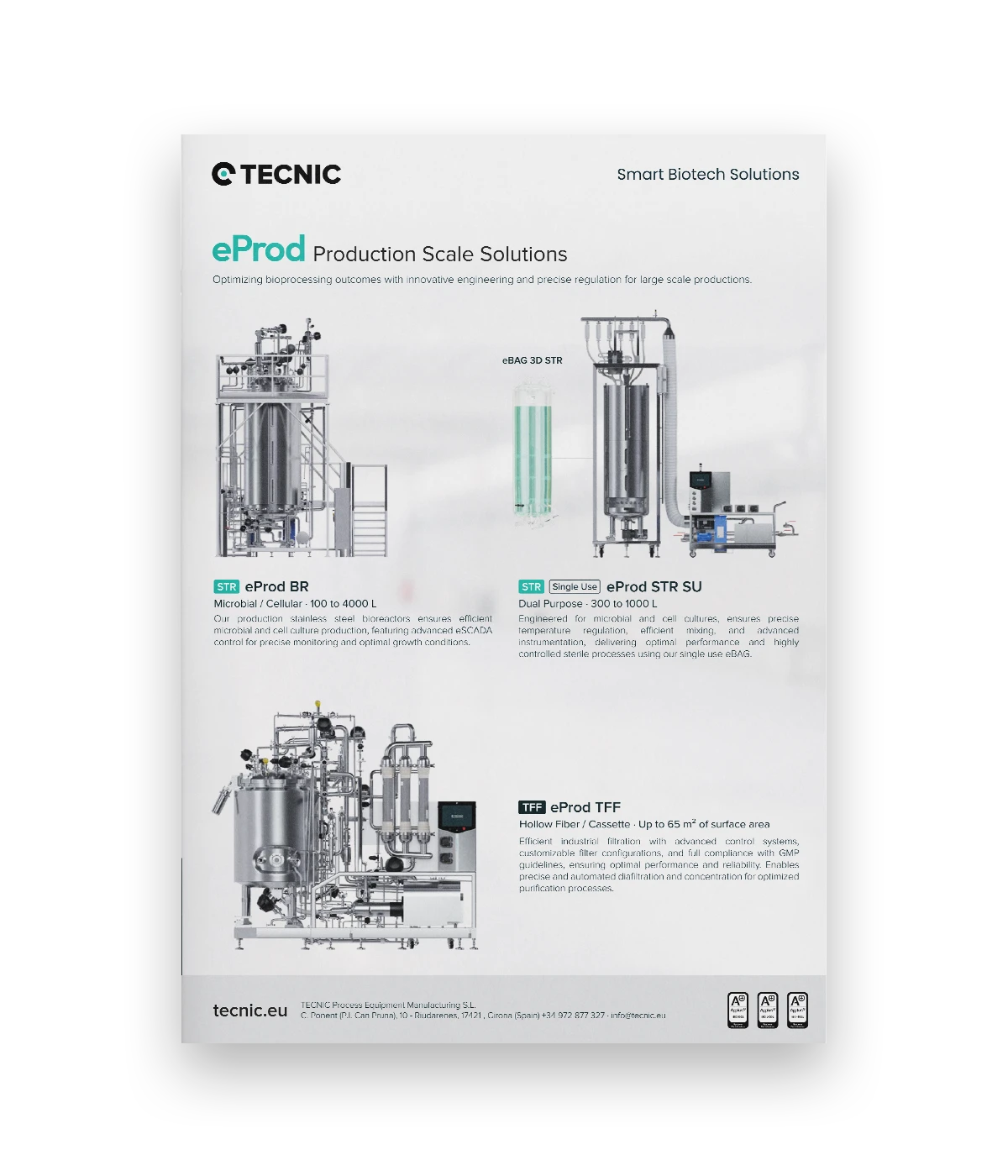
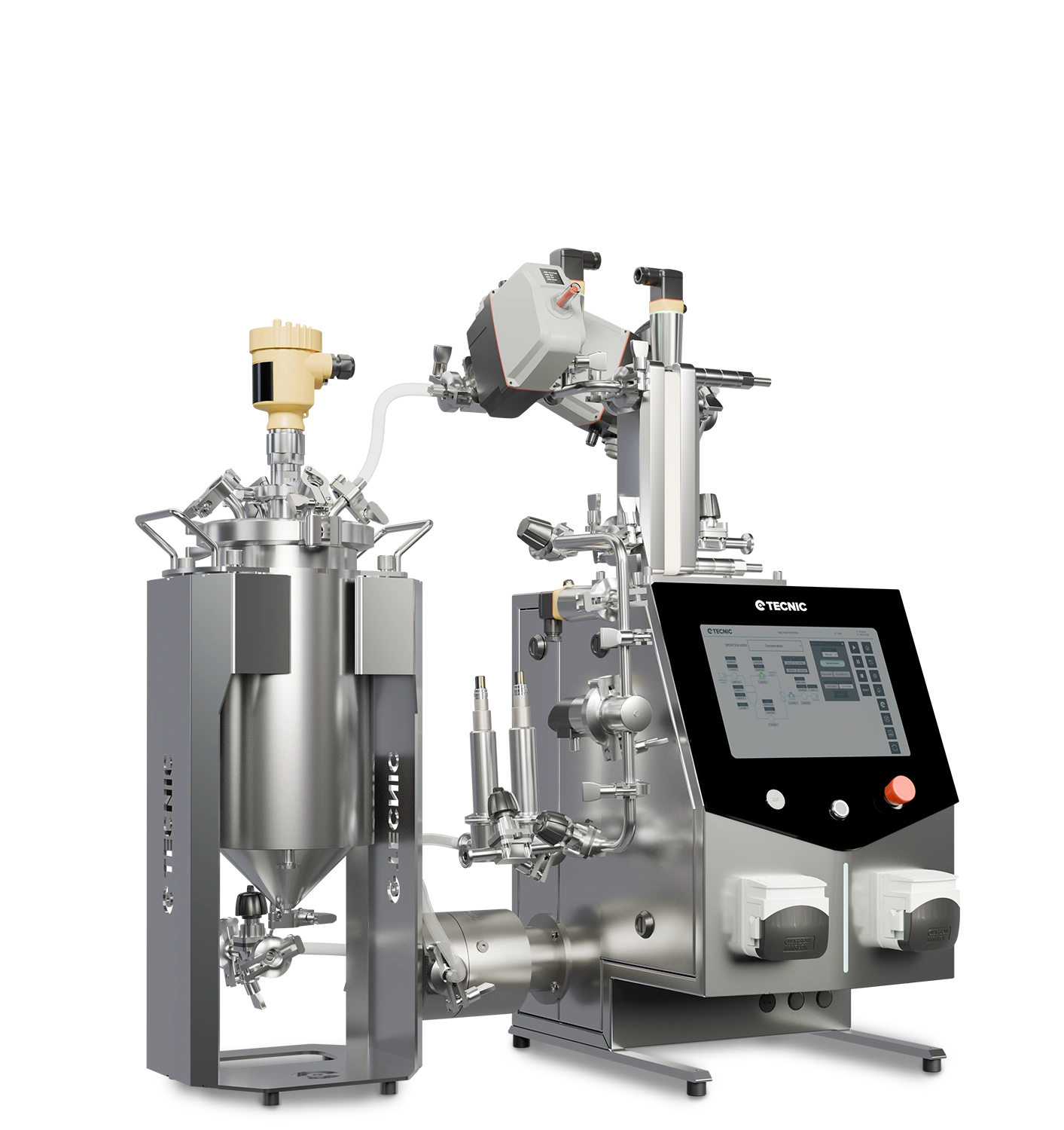
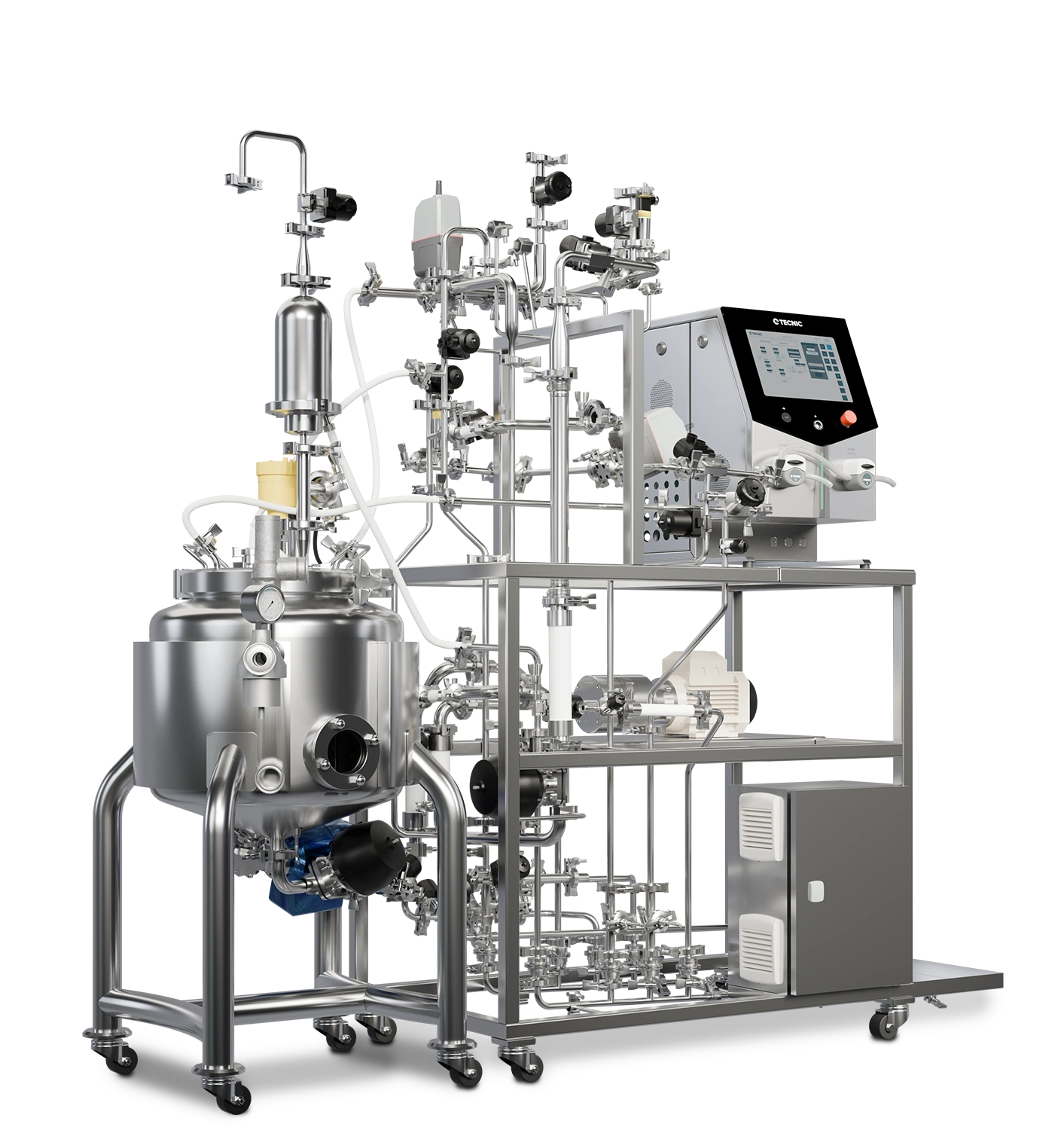
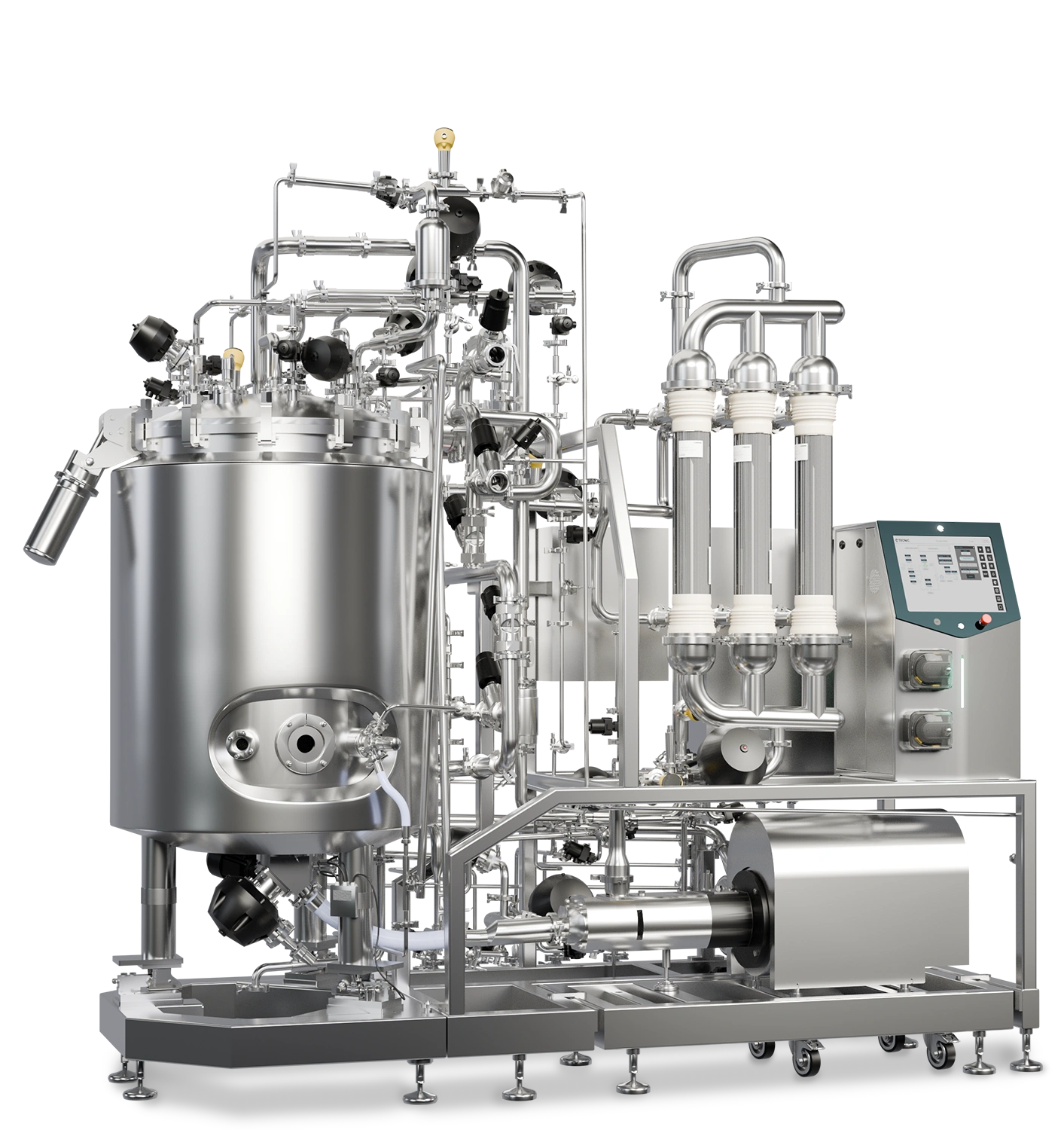
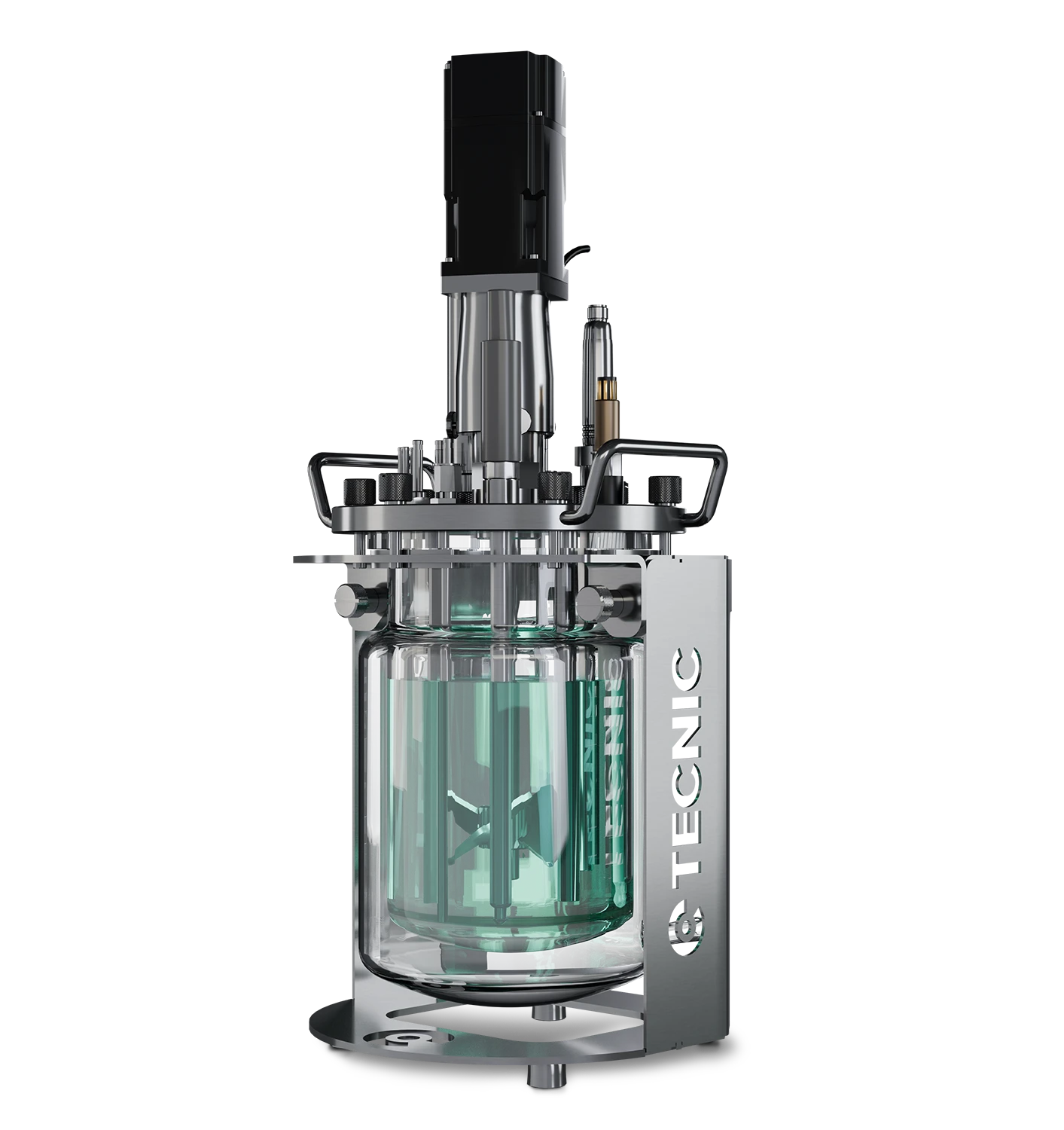
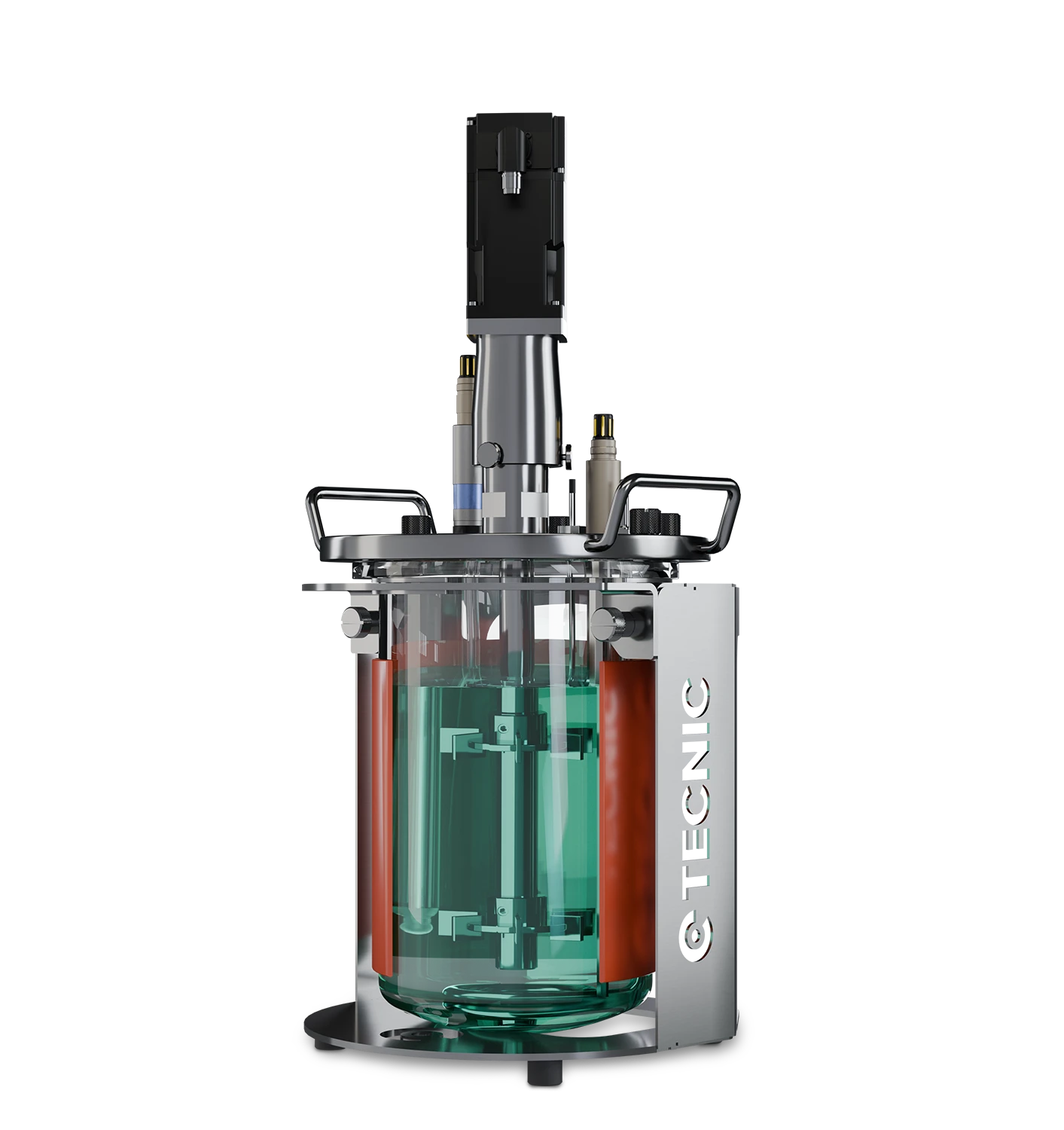
TECNIC fits this topic directly because its bioreactor range is designed for both cell culture and microbial processes, where agitation strategy, oxygen transfer and shear environment need to be aligned with the real process requirements from lab to production.
Bioreactors
Relevant when agitation strategy, oxygen transfer and shear environment need to be aligned with the real process.
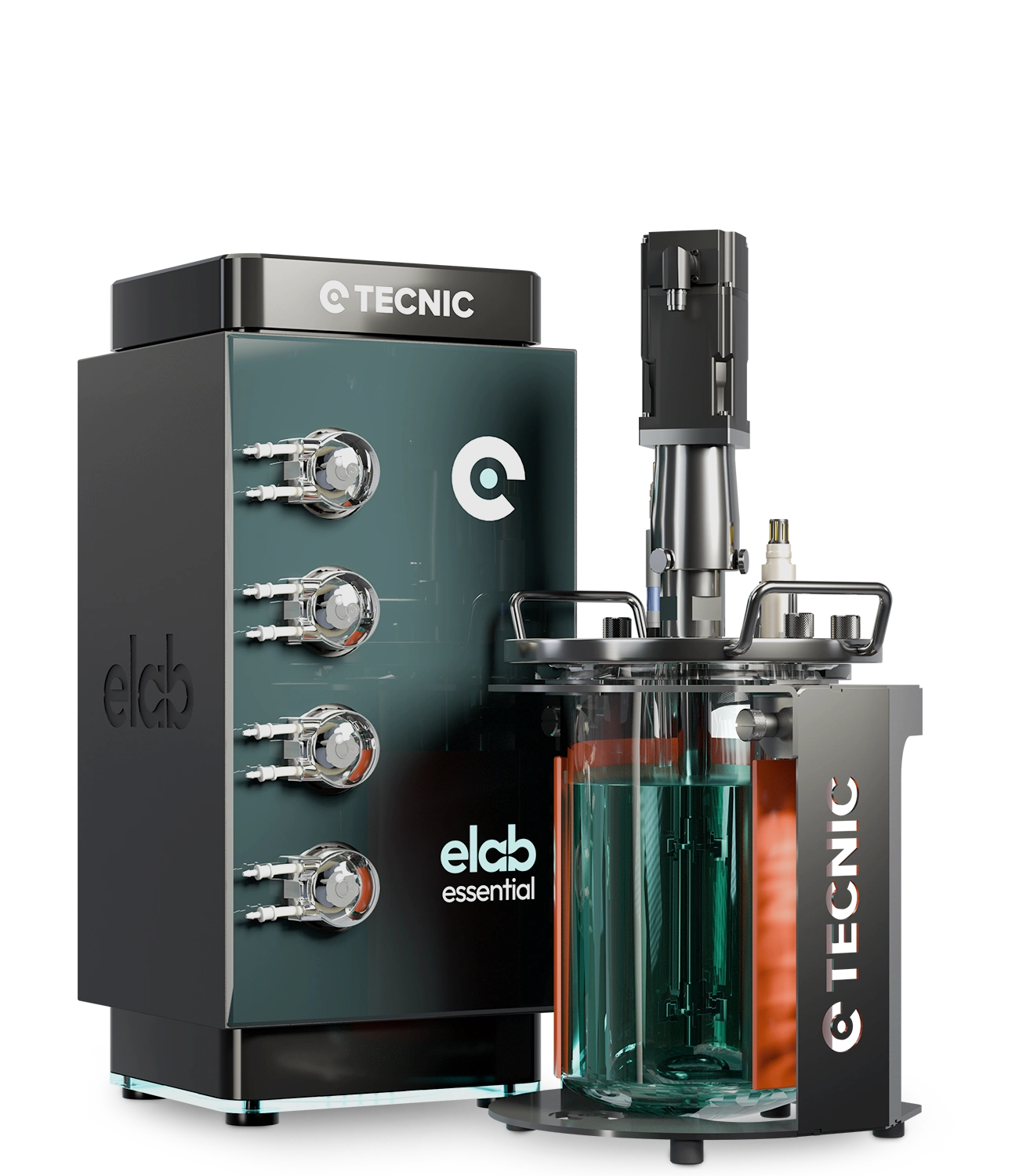
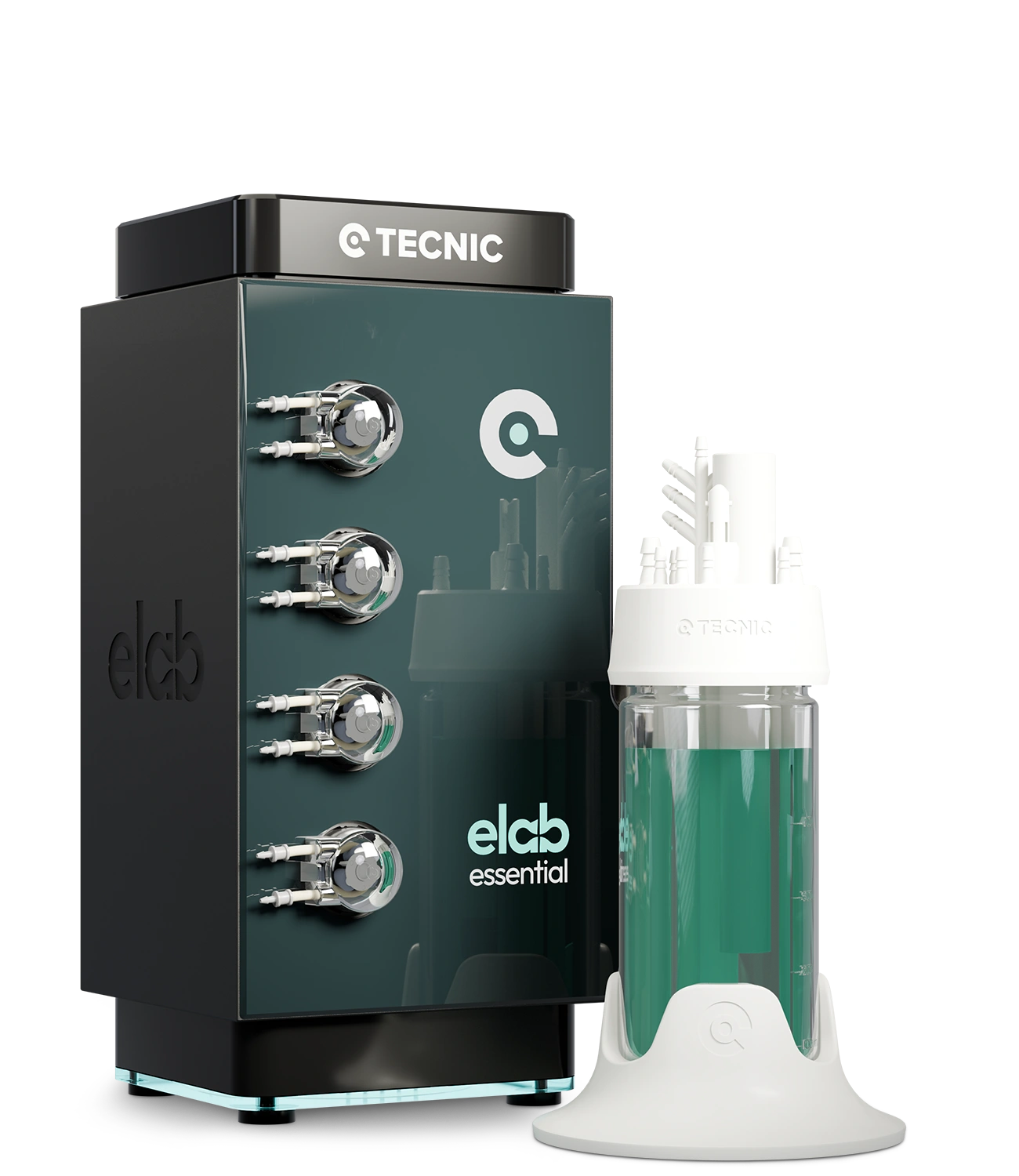
eLab and early development
Useful where the process is still being defined and impeller choice has to support both learning and comparability.
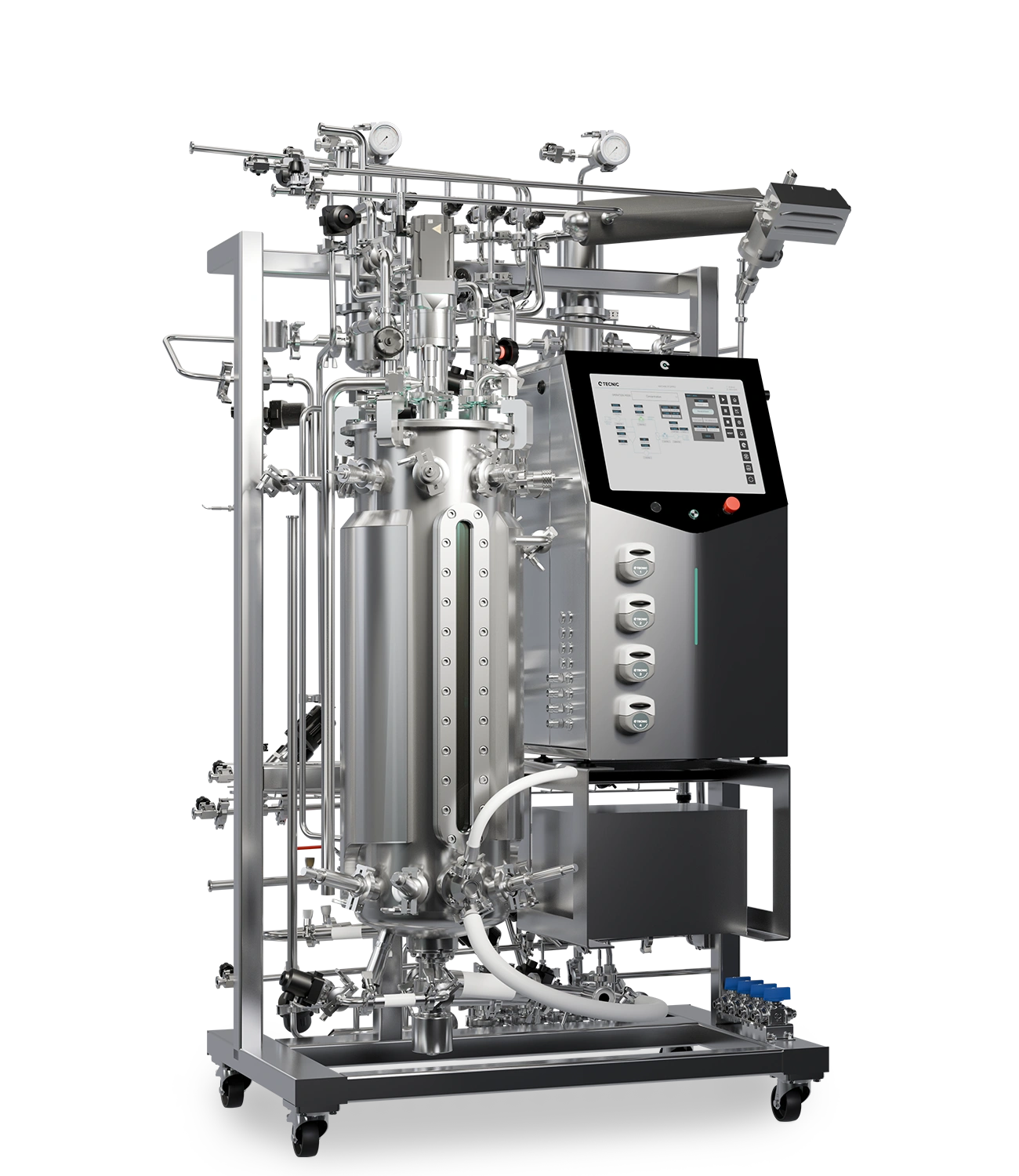
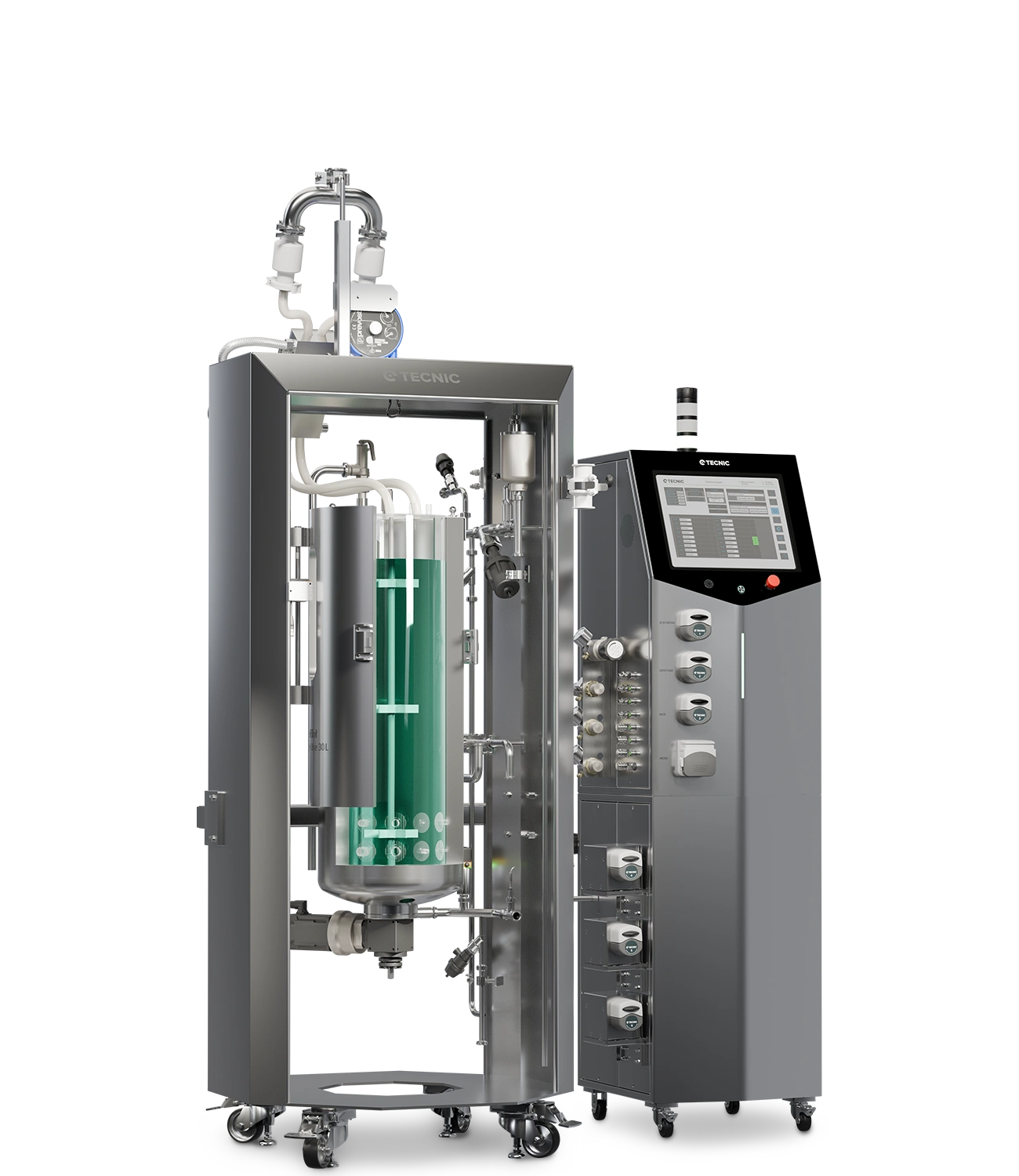
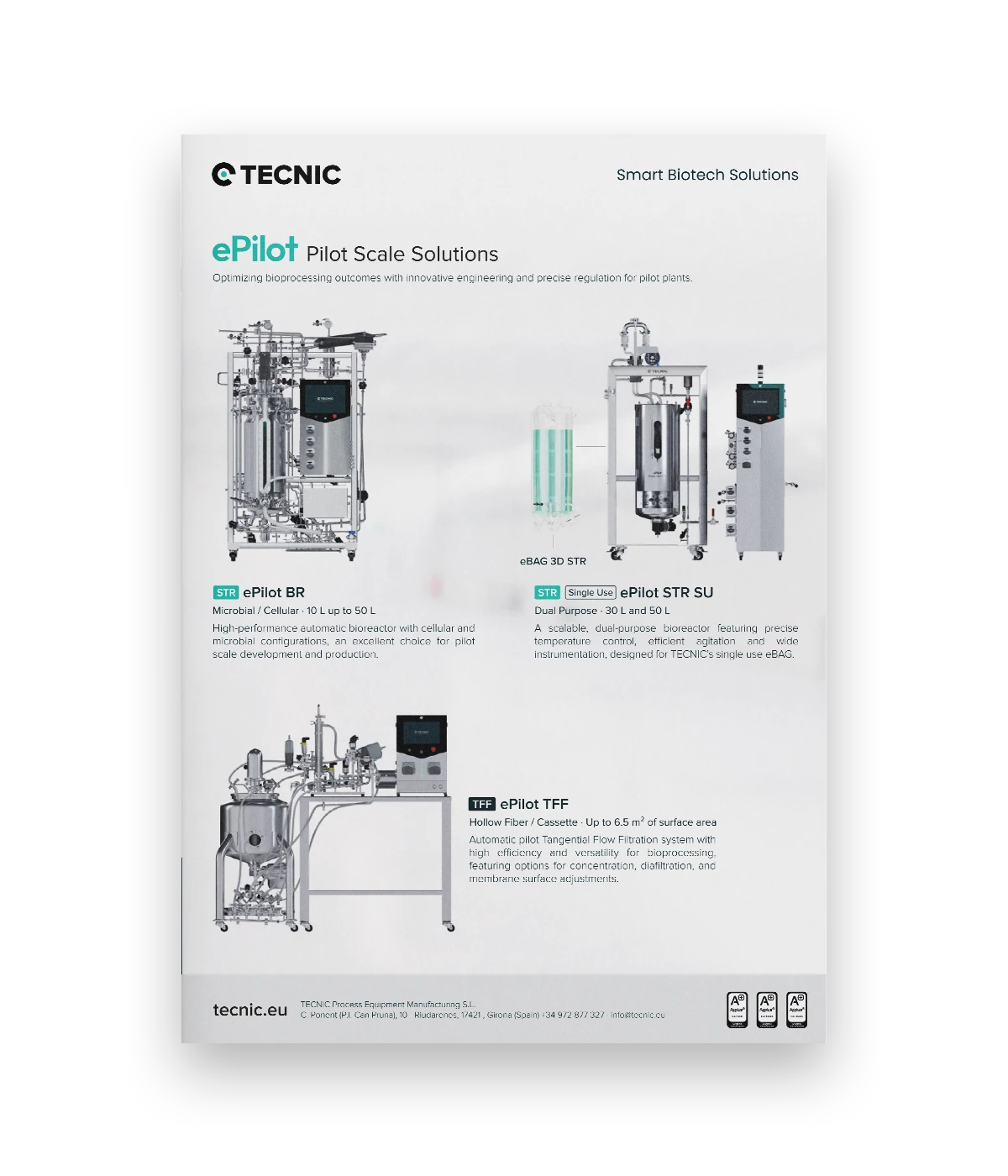
ePilot scale-up context
Relevant when impeller configuration needs to keep its logic during transfer toward pilot scale.
Contact TECNIC
When process mixing, oxygen transfer and cell sensitivity need to be balanced more precisely, direct technical discussion is more useful than a generic impeller comparison.
This article works best when impeller selection is framed as a bioprocess decision, not just a mechanical component choice.
Frequently asked questions
What is the best impeller for a bioreactor?
There is no single best impeller. The right choice depends on the culture, oxygen demand, shear sensitivity and scale-up requirements.
When is a Rushton turbine usually preferred?
It is usually preferred in microbial fermentations where oxygen transfer is critical and the culture tolerates higher shear.
When is a pitched-blade impeller usually preferred?
It is often preferred when the process needs a balance between good mixing and more moderate shear.
When is a hydrofoil impeller usually preferred?
It is often preferred for low-shear cell culture and other processes where gentle axial circulation is important.
Why does impeller selection affect scale-up?
Because the impeller influences hydrodynamics, oxygen transfer, tip speed, power input and local stress, all of which become critical during transfer across scales.
Reviewing which impeller design fits your process best?
Explore TECNIC’s bioreactor solutions or speak with our team to review the right agitation strategy for cell culture or microbial fermentation.